Major Flood Disrupts $600M China-Nepal Trade Route, Halts Power and Tourism
Floods at Gyirong Port halt trade and tourism, affecting China-Nepal relations and Nepal's energy sector.
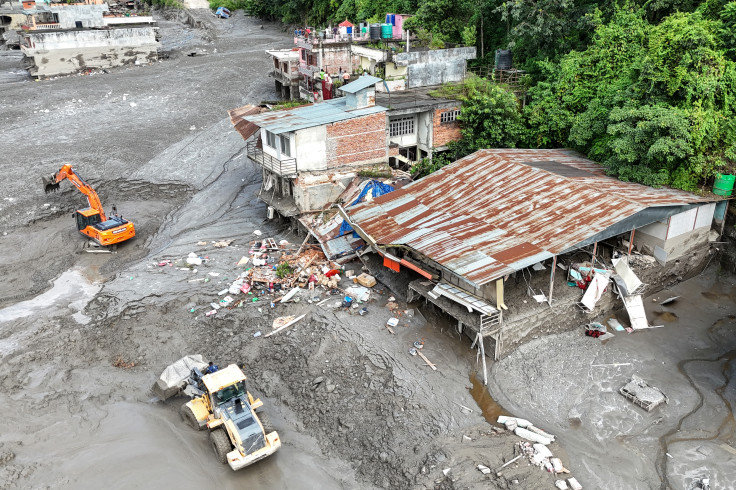
Gyirong Port, the Belt and Road-era crossing that carries roughly $600 million a year in goods between China and Nepal, has now been wiped out by flooding twice in just over 13 months. A flood swept away the crossing's bridge and dry-port infrastructure in July 2025, closing it for nearly six months before customs and passenger clearance resumed on January 1. Wednesday's flood, which has killed more than 390 people and left over 1,500 missing across Nepal and Tibet, buried the rebuilt customs hall under more than five feet of mud and cut every road leading to it, with no reopening timeline given.
The scale of what stopped is unusual for a single mountain crossing. Xigaze customs data put Gyirong's 2024 trade at 4.25 billion yuan, close to 30% of all China-Nepal trade that year and the largest share handled by any port in the region. That flow, along with the passenger traffic of pilgrims and trekkers who cross the same bridge on foot, is now suspended indefinitely on both the Chinese and Nepali sides.
The damage runs wider than the border post. Nepal's electricity authority says six hydropower and transmission facilities, including the Rasuwagadhi and Trishuli stations, were destroyed or knocked offline, pulling an estimated 431 megawatts off the national grid and damaging projects under construction with a further 470 megawatts of planned capacity. Nepal had been exporting 600 megawatts of power to India through the six months to last November and had planned to add another 500 megawatts this year; energy ministry officials now say the country may need to import power from India instead while repairs are under way.
Tourism carries its own arithmetic. This year's Kailash Mansarovar pilgrimage season falls in the Year of the Horse, a twelve-year cycle point that Hindu, Buddhist and Bon pilgrims regard as carrying outsized spiritual merit and that had driven bookings to capacity months in advance. The overland route through Rasuwagadhi and Gyirong, used by operators across Asia including Hong Kong-based pilgrimage tour agencies, is now closed for the rest of the season, tour operators running the route have confirmed. A western alternative that flies pilgrims to Hilsa and crosses into Tibet's Purang county is unaffected, but it serves a fraction of the volume the overland crossing carried. Nepal's tourism sector was already recovering from last September's anti-corruption unrest, which had halted the previous peak season.
There is no official damage estimate yet on either side of the border. Chinese state media have not detailed a repair timeline for Gyirong Port beyond warning that continued rain and an unstable landslide dam upstream could trigger a second surge before crews can even begin rebuilding. The last closure, after a smaller flood at the same site in 2025, took five months to clear before cargo resumed and closer to six before passengers followed. Whether this one runs shorter or longer will depend on whether the barrier lake now pooling behind the debris breaches on its own terms first.
- MOST POPULAR IN World