Jack Ma Buys HK$600m of Alibaba as Burry Steers Clear
Alibaba's top executives make significant insider purchases as the company embarks on a major AI investment, contrasting with Michael Burry's cautious stance.
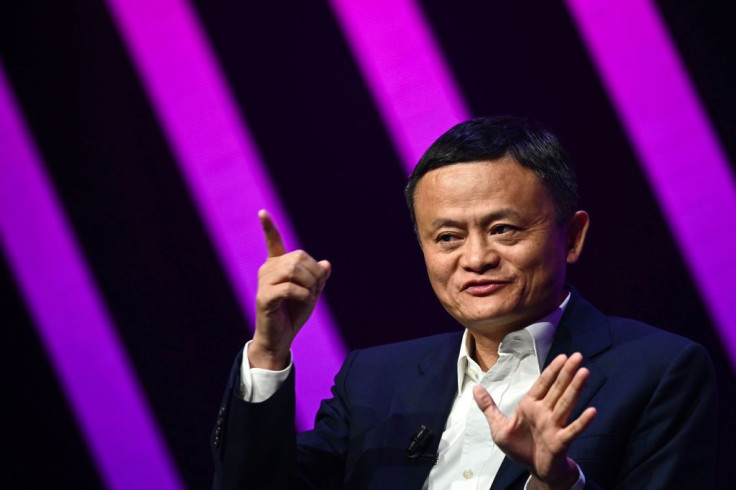
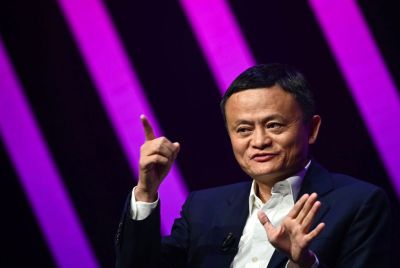
Alibaba founder has bought more than HK$600 million (US$76.5 million) of the company's Hong Kong-listed shares (HKEX: 9988) over consecutive trading days, joining chairman Joe Tsai and chief executive Eddie Wu in insider purchases now topping HK$800 million combined. The buying puts Alibaba's own leadership on the opposite side of a trade from "Big Short" investor Michael Burry, who used a Substack post this week to reaffirm he has no plans to come back to the stock unless it falls by roughly half.
The purchases followed Alibaba's HK$80 billion share placement, announced Sunday and priced at HK$112.70 a share — an 8.4% discount to the prior close — to fund the company's AI buildout. The deal, one of the largest follow-on share sales by a Hong Kong-listed company, closed Wednesday.
Tsai bought about HK$80 million of shares on Monday and another HK$82 million on Tuesday, while Wu bought roughly HK$40 million on Monday, according to Hong Kong stock exchange filings. Ma's purchases, reported first by the South China Morning Post citing people familiar with the matter, pushed the combined insider total past HK$800 million in under 48 hours.
The stock did fall to the HK$112.70 placement price on the day of the announcement, an 8.4% drop, but it has since recovered — trading around HK$114 as of Tuesday, above where Ma, Tsai and Wu were buying.
Burry sold his entire Alibaba position by the end of the second quarter, rotating the proceeds into a "large" stake in rival JD.com, according to a regulatory filing. He returned to the subject this week specifically because of the new placement, writing on Substack that "I cannot bless share issuances" and adding on X that he would need Alibaba to fall by half from current levels before reconsidering. He had originally planned to rotate back into Alibaba within a couple of months of exiting.
The split leaves Alibaba's own leadership betting on the AI spending plan that just diluted shareholders by roughly 3.6%, against a prominent short-seller who considers that same spending plan the reason to stay away. Alibaba's AI cloud revenue grew 45% in its most recent quarter even as profit fell sharply on the higher capital spending, and the company has said it expects the outlay to pay for itself within about three years.
- MOST POPULAR IN Business