Claude Can Now Run Lab Microscopes and Robotic Arms
Anthropic introduces Model Hardware Standard, enabling AI agents to manage lab equipment efficiently.
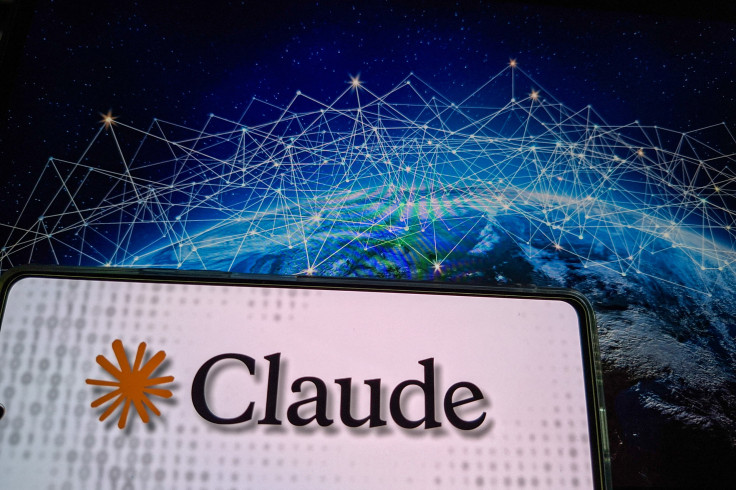
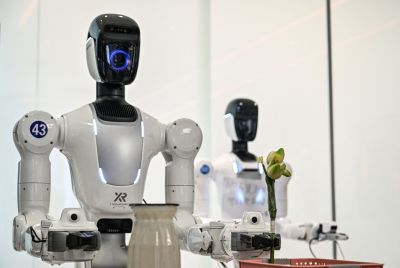
Anthropic said Thursday it has opened a research preview letting its Claude AI agents control real laboratory equipment — microscopes, liquid handlers and robotic arms — moving the AI conversation from desk jobs to the lab bench itself.
The system, called the Model Hardware Standard (MHS), lets one AI agent coordinate several instruments at once through a shared interface instead of custom code for each device. Carnegie Mellon University researchers used it to cut the setup time for a drug-dosage experiment from several weeks to about eight hours, running a liquid handler, a robotic arm, a plate reader and monitoring cameras through the same system, according to Anthropic.
Amazon Web Services is building MHS support into Strands Robots, its library for connecting AI agents to physical devices, and lab-automation firm Automata is adding it to its LINQ platform for autonomous error handling. Danaher, which makes lab instruments, said it and Anthropic are "actively exploring" how the standard could work with its equipment — a lighter commitment than the direct integrations other partners described.
The project grew out of work between Anthropic and HHMI Janelia Research Campus, where a researcher had built a shared memory system to get mismatched microscope hardware talking to one another. Anthropic said it is not yet open-sourcing MHS and is still developing safety evaluations, including guardrails meant to block agents from misusing lab equipment.
Every account of MHS's performance so far comes from Anthropic's own writeup or from partners — including Genentech, the University of Washington and quantum computing firm QuEra — that have a stated research or commercial relationship with the company; no independent lab or analyst outside that group has yet assessed the results.
Hong Kong was not named among Anthropic's initial MHS partners. The city's Cyberport and Science Park host biotech and robotics tenants running similarly instrument-heavy, automation-dependent workflows, the kind of setup MHS is built for.
Anthropic said it plans to open-source MHS once further safety testing is complete and is taking applications from labs and manufacturers that want early access.
- MOST POPULAR IN Technology