Memory Kit DDR5 Prices Surge to $400 Amid Nvidia’s AI Demand, Impacting PC Market
Nvidia and other tech giants face rising costs as AI demand strains memory chip supply.
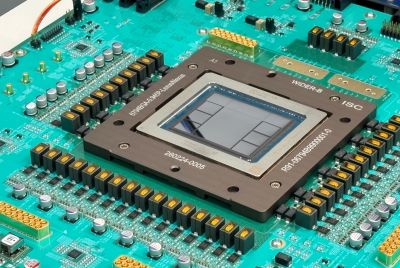
A mainstream 32GB DDR5 memory kit that sold for $100 to $200 in October 2025 now starts around $350 to $400, according to Tom's Hardware's retail price tracker, and Nvidia's own earnings call this week confirmed the reason: an AI-driven scramble for memory chips that is also pushing up the price of Nvidia's own servers. Bloomberg reported on Aug. 22 that some of Nvidia's biggest customers had been told servers built around its Vera Rubin and Grace Blackwell chips would cost more than 15% more on systems shipping in early 2027, citing people familiar with the matter. Nvidia did not respond to a request for comment, and Reuters said it could not independently verify the figure.
On its Aug. 26 fiscal second-quarter earnings call, Nvidia backed the memory story with its own numbers. Chief Financial Officer Colette Kress said the company is "experiencing extreme pricing conditions in memory" and that the increases have "exceeded our prior expectations," guiding gross margin down to 71%-72% in the fiscal fourth quarter before a partial recovery in fiscal 2028.
Samsung Electronics and SK Hynix, which along with Micron dominate global DRAM production, have shifted advanced manufacturing capacity toward high-bandwidth memory for AI servers, where margins are higher, leaving less supply for the DRAM used in ordinary laptops and desktops. Nvidia's own supply commitments for memory more than doubled in a single quarter, to $279 billion, largely to secure parts for its new Vera Rubin platform. TrendForce has forecast server DRAM contract prices to keep rising through the third quarter, with no clear relief expected before 2027.
Hong Kong-listed Lenovo Group (0992.HK), the world's largest PC maker, has told customers it is raising prices to offset the same cost pressure, Reuters reported, even after building up months of memory inventory to delay the hit.
Nvidia's reported server price increases are due to take effect on systems shipped from early 2027. The company reports fiscal third-quarter results in November, its next scheduled update on how far the memory squeeze has spread.
- MOST POPULAR IN Technology